
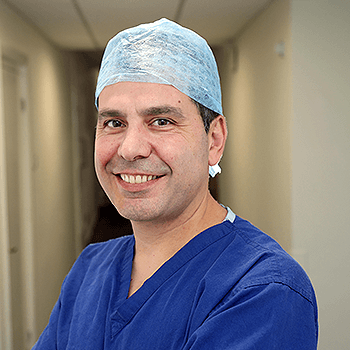
Medically Reviewed By: Mr Panos Papikinos
A cystoscopy is a medical procedure that allows healthcare professionals to closely examine the inside of your bladder and urethra. It is both a diagnostic and therapeutic tool, used to investigate and manage a variety of urinary and bladder-related conditions.
During the procedure, a long, thin tube with a small camera at its tip (called a cystoscope) is gently inserted into your urethra and guided into the bladder. This process provides a clear view of the bladder lining and helps identify abnormalities, guide treatments, and monitor certain conditions effectively.
Cystoscopy is recommended for diagnosing, monitoring, or treating conditions affecting the bladder and urinary system. Here are some common reasons for undergoing the procedure:
Investigating symptoms such as blood in urine, recurring urinary tract infections (UTIs), pelvic pain, or difficulty urinating.
Assessing urinary incontinence or the sensation of incomplete bladder emptying.
Diagnosing and managing bladder cancer, bladder stones, or interstitial cystitis.
Treating blockages or obstructions in the urinary tract and delivering targeted medication to the bladder.
Controlling bleeding or performing biopsies to collect tissue samples for further analysis.
This versatile procedure ensures accurate diagnosis and enables timely medical intervention, making it an essential component of urological care.
There are two main types of cystoscopy:
Flexible cystoscopy - uses a flexible, bendable cystoscope to investigate bladder symptoms, often performed under local anaesthesia. It is minimally invasive, requires little preparation, and allows patients to eat and drink as usual beforehand.
Rigid cystoscopy - performed with a straight, rigid cystoscope, this approach is often used to treat bladder conditions, such as removing tumours or stones. It is commonly carried out under general or spinal anaesthesia to ensure patient comfort.
Your healthcare provider will determine the type of cystoscopy based on your symptoms and the required intervention
Cystoscopy is not only a diagnostic tool but also plays a vital role in treating various bladder conditions. Some common uses include:
Removal of bladder tumours - during a rigid cystoscopy, small bladder tumours can be located and removed using specialised instruments. This procedure, known as transurethral resection of bladder tumour (TURBT), is often performed under general anaesthesia.
Treatment of bladder stones - cystoscopy allows healthcare professionals to identify and remove bladder stones, which can cause pain and urinary issues.
Management of urinary tract obstructions - using cystoscopy, blockages in the urinary tract can be treated by inserting stents or removing obstructions.
Injection of medications - in cases of interstitial cystitis or other bladder conditions, medications can be directly injected into your bladder through a cystoscope for targeted treatment.
Control of bleeding - cystoscopy can help identify and cauterise bleeding areas within your bladder, ensuring effective management of haemorrhages.
Preparing for a cystoscopy depends on the type of procedure being performed:
For a flexible cystoscopy, you can usually eat and drink as normal. Minimal preparation is needed, and a local anaesthetic is typically used to numb your urethra.
For a rigid cystoscopy, especially if you are having a general or spinal anaesthesia, you may need to fast for several hours before the procedure. Your healthcare provider will offer specific guidance for your situation.
After a cystoscopy, it's common to experience mild discomfort or blood in your urine, which usually resolves within a few days. To aid recovery, you can expect to be advised to:
Drink plenty of fluids to flush out your bladder.
Take over-the-counter pain relief like paracetamol or ibuprofen if necessary.
Contact your doctor if symptoms such as persistent pain, fever, or difficulty urinating occur.
Rest for 24 hours and have someone assist you with travel and care if you’ve had a rigid cystoscopy or general anaesthetic.
Cystoscopy is a vital tool for diagnosing, monitoring, and managing bladder cancer, offering significant benefits in early detection and treatment planning.
Early detection - cystoscopy is crucial for identifying bladder cancer at an early stage, which enhances treatment outcomes and survival rates.
Regular monitoring - it helps in tracking the progression or recurrence of bladder cancer through routine evaluations.
Advanced imaging techniques - combining cystoscopy with methods like blue light imaging improves accuracy in diagnosing and managing persistent conditions.
Recent advancements in diagnostic techniques have revolutionised cystoscopy, enhancing accuracy and effectiveness in detecting and managing bladder conditions. They include:
Blue light cystoscopy - utilises a special dye and blue light to highlight cancerous areas, improving the detection and management of bladder cancer1.
Enhanced identification of abnormalities - other innovative and promising techniques such as photodynamic diagnosis (PDD) and narrowband imaging (NBI) may enhance visualisation for more accurate assessments.
The cost of your cystoscopy will differ dependant on the type of cystoscopy you have (flexible/rigid)
You will receive a formal quotation price following your consultation with one of our expert surgeons. This formal quote for your TURBT operation will be valid for 60 days and includes unlimited aftercare.
Ramsay is recognised by all major medical insurers. A TURBT procedure is covered by most medical insurance policies. We advise you to obtain written authorisation from your insurance provider before starting your treatment.
We have a number of finance options if you are paying for your procedure yourself. These include:
Interest-free finance – 0% interest, no deposit and affordable monthly instalments.
All-inclusive Total Care – a one-off pre-agreed payment for access to all the treatment you need for complete reassurance.
Pay as you go – flexible funding to pay for treatment as and when costs arise. Often used if your treatment costs are difficult to assess.
A cystoscopy might cause mild discomfort or a burning sensation when the cystoscope is inserted, but the procedure is usually well-tolerated. Local anaesthetics are often used to minimise discomfort.
The procedure typically takes about 5 to 10 minutes for a flexible cystoscopy and 15 to 30 minutes for a rigid cystoscopy, depending on whether any treatments are performed during the procedure.
While cystoscopy is generally safe, potential risks include minor bleeding, urinary tract infections, or temporary difficulty urinating. Severe complications are very rare.
If you’ve had a flexible cystoscopy with local anaesthesia, you can usually drive home after the procedure. However, if general or spinal anaesthetics are used, you’ll need someone to drive you home and stay with you for 24 hours.
You can expect to resume daily activities immediately after a flexible cystoscopy. For rigid cystoscopy, you may need a day or two to recover, especially if general anaesthetic was involved.
1. Blue Light Cystoscopy Reduces Recurrence in High-Risk Bladder Cancer. Available from: https://www.curetoday.com/view/blue-light-cystoscopy-reduces-recurrence-in-high-risk-bladder-cancer



Ramsay Health Care UK, announces a new partnership with Doctor Care Anywhere, one of the UK’s leading virtual primary care providers. The collaboration will give Ramsay patients fast, convenient access to self-pay online GP appointments, with seamless onward referrals into Ramsay’s network of hospitals and specialists where secondary care is required.

The information, including but not limited to, text, graphics, images and other material, contained on this website is for educational purposes only and not intended to be a substitute for medical advice, diagnosis or treatment. Always seek the advice of your physician or other qualified health care provider with any questions you may have regarding a medical condition or treatment.
No warranty or guarantee is made that the information contained on this website is complete or accurate in every respect. The testimonials, statements, and opinions presented on our website are applicable to the individuals depicted. Results will vary and may not be representative of the experience of others. Prior patient results are only provided as examples of what may be achievable. Individual results will vary and no guarantee is stated or implied by any photo use or any statement on this website.
Ramsay is a trusted provider of plastic or reconstructive surgery treatments as a part of our wrap-around holistic patient care. Our personal, friendly and professional team are here to support you throughout to ensure the best possible care. All procedures we perform are clinically justified.
*Acceptance is subject to status. Terms and conditions apply. Ramsay Health Care UK Operations Limited is authorised and regulated by the Financial Conduct authority under FRN 702886. Ramsay Healthcare UK Operations is acting as a credit broker to Chrysalis Finance Limited.
Ramsay Health Care UK is not currently recruiting for any roles based outside of England. If you are interested in applying for a role with Ramsay Health Care UK, please note that all available positions are advertised exclusively on our official website: https://www.ramsayhealth.co.uk/careers. Be cautious of individuals or organisations that approach you directly for remotely-based roles. Always verify the authenticity of the job offer and be careful with whom you share your personal information. For more information and advice on employment fraud, please visit: https://www.ramsayhealth.co.uk/careers/recruitment-fraud