What is gastric sleeve surgery?
Gastric sleeve surgery, also called a sleeve gastrectomy, is a surgical weight loss procedure that permanently reduces the size of your stomach. This helps you lose weight by making you feel full faster and for longer, and by reducing hunger and food cravings.
During the operation, a large portion of your stomach is removed, with the curved upper part (the fundus) and the larger outer edge (the greater curvature) both cut away. The remaining section is shaped into a narrow tube or ‘sleeve’.
Removing part of your stomach can also affect your hormones, especially ghrelin. The fundus part of your stomach produces ghrelin to make you feel hungry. Because most of the ghrelin-producing tissue is removed, ghrelin levels typically fall significantly after surgery, which helps reduce appetite.
When your stomach is filled, your body releases other hormones that can reduce your hunger, including glucagon-like peptide-1 (GLP-1). With a smaller stomach, these hormones are released faster when eating.
Unlike some other types of weight loss surgery, a gastric sleeve procedure doesn’t involve rerouting your bowel (intestines). However, it is a permanent procedure that can’t be reversed.
Gastric sleeve vs other weight loss surgery
A gastric sleeve procedure is one type of weight loss surgery, but there are others available:
-
Gastric bypass surgery: The stomach is reduced, and part of the digestive system (the small intestine) is rerouted to it, reducing both how much food you can eat and the way your body absorbs nutrients.
-
Gastric band surgery: An adjustable band is placed around the upper part of the stomach to create a smaller pouch, reducing how much food you can eat before becoming full. Unlike a gastric sleeve or gastric bypass, no part of the stomach is removed, and the procedure is reversible.
-
Gastric balloon: A non-surgical option where a soft silicone balloon is temporarily placed into the stomach to help you feel full faster and to limit how much you eat.
|
Weight loss procedures comparison
|
Involves surgery
|
Reversible
|
Stomach removed
|
Digestive system rerouted
|
|
Gastric sleeve
|
✓
|
❌
|
✓
|
❌
|
|
Gastric bypass
|
✓
|
❌
|
❌
|
✓
|
|
Gastric band
|
✓
|
✓
|
❌
|
❌
|
|
Gastric balloon
|
❌
|
✓
|
❌
|
❌
|
The right weight loss procedure for you will depend on your individual circumstances, level of health, and weight loss goals. Your Ramsay bariatric consultant can discuss the available options with you and recommend which procedure may be the best fit.
Is gastric sleeve surgery right for me?
Gastric sleeve surgery won’t be suitable for everyone. Before recommending treatment, your Ramsay consultant will assess your weight, overall health, medical history, and your previous attempts to lose weight.
Who is gastric sleeve surgery suitable for?
Gastric sleeve surgery may be the right choice if you:
-
Have a BMI of over 40
-
Have a BMI of over 35 and a weight-related health condition, such as type 2 diabetes, high blood pressure, or sleep apnoea
-
Have previously tried other methods of weight loss without achieving or maintaining the results you need
-
Are prepared to make long-term changes to your diet and lifestyle following the surgery
These are general guidelines only, and your suitability for gastric sleeve surgery will be assessed individually by your Ramsay bariatric consultant.
Who may not be suitable for gastric sleeve surgery?
Gastric sleeve surgery may not be suitable for some patients in certain circumstances. This includes people who are pregnant, have untreated eating disorders or mental health conditions, or those with certain heart or lung issues.
If you smoke, you’ll likely be advised to stop smoking before surgery, as smoking can increase the risk of complications.
A full health assessment will help your Ramsay consultant determine whether gastric sleeve surgery is a safe and appropriate option for you.
What are the benefits of gastric sleeve surgery?
For suitable patients, gastric sleeve surgery can offer a range of potential benefits, including:
-
Significant long-term weight loss
-
Improvements in some obesity-related health conditions, including type 2 diabetes, high blood pressure, sleep apnoea, and heart disease
-
Potential relief or improvement in weight-related joint pain
-
A smaller stomach, which can help you feel full after eating less food
-
Reduced food cravings and feelings of food fixation
The results of gastric sleeve surgery can vary from person to person. Achieving and maintaining weight loss will depend on how you respond to the surgery, but also on how well you make long-term changes to your diet, eating habits, and overall lifestyle.
How to prepare for gastric sleeve surgery?
Before having gastric sleeve surgery, you’ll have a thorough assessment with one of our bariatric healthcare teams to make sure the procedure is suitable for you and that you’re prepared for the changes involved.
Individual cases will vary, but your pre-surgery preparation may include:
-
A pre-operative assessment: Your Ramsay bariatric consultant and dietitian will assess your health, eating habits, and nutritional needs and explain what you can expect before and after the surgery.
-
A psychological assessment: You may also have a psychological assessment if your clinical team feels this would be appropriate as part of your preparation for surgery.
-
A liver-shrinkage diet: You’ll typically be asked to follow a special diet for around two weeks before your surgery to reduce the size of your liver. This makes the operation safer and easier for your surgeon to perform.
-
A medication review: Your clinical team will review any medicines you take and advise if anything needs to be changed before your operation.
-
Stopping smoking: If you smoke, you’ll usually be advised to stop before surgery, as smoking can increase the risk of complications and affect your recovery.
-
Practical preparation: Your Ramsay team will explain how to prepare for the day of your operation, including when you should stop eating and drinking, what you need to bring with you, and what clothes to wear. They will explain when you should expect to go home and will advise you to arrange appropriate transport.
Your Ramsay bariatric consultant and wider clinical team will guide you through each stage of preparation and answer any questions you may have.
What happens during gastric sleeve surgery?
The details of gastric sleeve surgery can vary, but most patients experience the following:
The gastric sleeve surgery procedure
Gastric sleeve surgery is performed under a general anaesthetic, so you’ll be ‘asleep’ throughout the operation.
The operation is usually performed laparoscopically, using keyhole surgery rather than open surgery. Your bariatric surgeon will make several small incisions in your abdomen. They will insert a laparoscope through one of them. This is a slender video camera with a light. It sends footage to a screen the surgeon can watch to help guide the procedure. Surgical instruments will be inserted through the other incisions to operate.
Your surgeon will staple and divide your stomach vertically. They will then permanently remove the upper, curving part of the stomach (the fundus) and the larger outer edge of the stomach (the greater curvature), accounting for around 75% to 80% of your total stomach. The remaining part of your stomach will be shaped into a narrow tube or ‘sleeve’.
How long does gastric sleeve surgery take?
Gastric sleeve surgery typically takes between two and three hours, although the exact length of your operation will depend on your individual circumstances. Your Ramsay surgeon can give you a time estimate based on your situation.
Your hospital stay
After your surgery, you’ll be taken to a recovery area where the clinical team will monitor you while you come around from the general anaesthetic and begin your recovery.
Most patients stay in hospital for one to three days following gastric sleeve surgery. Your healthcare team will continue to monitor your recovery and make sure you’re ready to go home before you’re discharged.
Immediately after your operation, you’ll follow a liquid-only diet, gradually progressing to soft, easily digestible foods and then to a full diet over the following weeks. Your Ramsay dietitian will guide you on what you can eat and drink at each stage, to help you adjust to your smaller stomach.
Gentle walking is usually encouraged from the first day after your surgery. Staying mobile can help support your healing and reduce the risk of some post-surgical complications, like blood clots.
Before you’re discharged, you’ll be taught how to care for your surgical wound, including how to keep it dry when showering.
Recovering from gastric sleeve surgery
Gastric sleeve recovery times and experiences will vary from person to person, but most patients experience the following recovery timeline:
The first few days of your gastric sleeve surgery recovery
You’ll be encouraged to get out of bed, stand, and walk a little as early as possible, usually a few hours after the operation. Gentle movement and walking will help you recover. Most patients will remain in hospital for a few days. You’ll initially follow a liquid-only diet.
The first few weeks of your gastric sleeve surgery recovery
When you get home, you’ll become more comfortable with moving and walking and will be able to return to most daily activities. Your diet will gradually progress from liquids to soft foods, following advice from your dietitian.
Most people can return to work between two and four weeks after their gastric sleeve surgery, although this depends on how well you recover and the type of work you do. If your work is more physically demanding, it may take longer to return, and you may have to do so gradually.
6-8 weeks of your gastric sleeve surgery recovery
Most patients are well recovered and can return to eating a wide variety of foods around this time, although you’ll have to adjust to eating smaller portion sizes. You’ll likely need to take vitamin and mineral supplements for life, to make sure you get the nutrition you need.
Weight loss is typically most rapid from this period and throughout the first six months after your surgery. Longer-term weight loss results will depend on maintaining healthy eating and other lifestyle changes.
Risks and complications of gastric sleeve surgery
Gastric sleeve surgery is a relatively common procedure and one that’s usually successful. However, as with any major operation, there are risks.
General risks associated with surgery include:
Risks associated with gastric sleeve surgery include:
-
Staple line leakage: Where the section of your stomach that has been stapled during surgery can develop a leak. This is a potentially serious complication that may require further treatment
-
Staple line bleeding: Bleeding can also occur along the stapled section of the stomach and may require additional treatment
-
Acid reflux: Gastric sleeve surgery can cause or worsen symptoms of acid reflux in some people
-
Nutritional deficiencies: Because you’ll eat considerably less after the surgery, there is a risk of developing nutritional deficiencies. Lifelong vitamin and mineral supplementation and appropriate follow-ups can help manage this risk
Your Ramsay consultant will discuss these potential complications with you before your surgery and will explain the benefits and risks in relation to your individual circumstances. You should make sure you understand all the risks involved and take the opportunity to ask questions before deciding whether to proceed with the surgery.
Gastric sleeve surgery (UK) cost
Private gastric sleeve surgery at Ramsay Health Care is available from £10,495 and includes a comprehensive 24-month aftercare programme designed to support your long-term success. However, costs can vary by patient. After a consultation with one of our bariatric specialists, you’ll receive a personalised quote for your treatment, valid for up to 60 days.
You can choose from a range of options to pay for your gastric sleeve operation, including:
-
0% Payment Plans: Spread the cost of your gastric sleeve surgery with our flexible payment plans. Agree on fixed, monthly payments over a period that suits you.
-
Self-fund treatment: With our all-inclusive Total Care package, you’ll pay a one-time payment at a pre-agreed price that covers all the treatment you’ll need.
-
Your own medical insurance: Your healthcare insurance may cover your private gastric sleeve surgery with us. However, most major private medical insurance policies do not cover weight loss surgery as standard, so you should check with your insurer and get written confirmation before commencing treatment.
For a personalised quote or to discuss payment options in more detail, please contact our friendly team.
Gastric sleeve surgery at Ramsay Health Care
At Ramsay, you’ll be seen by a consultant bariatric surgeon who is experienced in performing gastric sleeve surgery using advanced laparoscopic (keyhole) techniques. Throughout your treatment, you'll receive personalised care from a dedicated multidisciplinary team, offering first-class pre- and post-op care. This includes specialist bariatric nurses, experienced dietitians, and support groups.
Here’s what you can expect:
-
Fast access to consultation, pre-operative assessment, and diagnostics, helping you begin your weight loss journey without delay
-
A comprehensive 24-month aftercare package, including specialist bariatric nurse and dietitian support
-
Self-pay from £10,495 with 0% finance options available
-
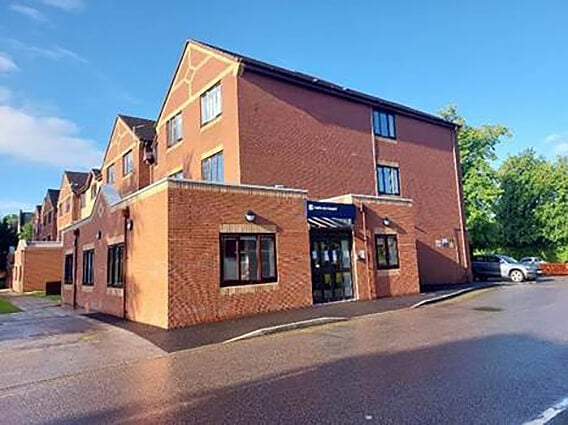
Hospitals located across the UK, many with on-site parking. Find your nearest hospital.
If you’re considering gastric sleeve surgery, contact us today on 0808 223 0500 or book an appointment online. You can also find a hospital near you online.