If you have a slipped disc in your back, it can press on spinal nerves, leading to back pain, leg pain (sciatica), numbness, tingling, and muscle weakness. If these symptoms don’t improve with non-surgical treatments, lumbar discectomy surgery may be an option.
Lumbar discectomy is a surgical procedure undertaken to remove part of a slipped spinal disc. It’s one of the most commonly performed spinal procedures and can be done using minimally invasive ‘keyhole’ surgery.
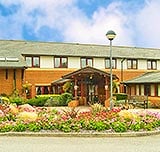
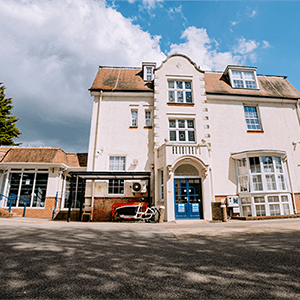
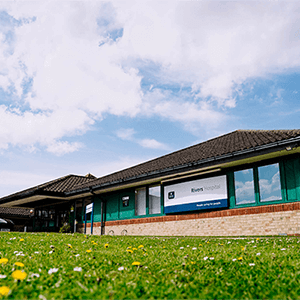
At Ramsay Health Care, our experienced spinal surgeons regularly perform discectomy surgery across our network of private hospitals in the UK. Here, we’ll explain what lumbar discectomy surgery is, what it involves, and what you can expect from your recovery.
Book an appointment with Ramsay Health Care
What is lumbar discectomy?
A lumbar discectomy is a type of spinal decompression surgery to treat a slipped disc that’s putting pressure on a nerve. It involves making an incision in your back and removing the softer inner disc material that’s emerged from the disc.
Today, most lumbar discectomies are performed as a microdiscectomy, a minimally invasive surgery using ‘keyhole’ tools. This is now the preferred approach where clinically appropriate. The goal is the same as a traditional discectomy, but involves less disruption to surrounding tissue. This can lower postoperative discomfort and the risk of complications, which may support a faster recovery.
Who is suitable for lumbar discectomy?
Lumbar discectomy surgery is usually considered when non-surgical treatments haven’t provided sufficient relief after a certain period of time (often after 6 to 12 weeks), and where symptoms are significantly affecting your quality of life.
A spinal specialist may recommend surgery if you have:
- A herniated lumbar disc confirmed by MRI scanning
- Persistent or severe sciatica that limits your daily activities
- Slipped disc symptoms that haven’t improved with physiotherapy, medication, or other conservative treatments
Not everyone with a slipped disc needs surgery. Most herniated discs improve naturally over time, with around 80% to 90% of people experiencing significant symptom improvement without surgery. Your Ramsay consultant will assess your symptoms, medical history, and imaging results before advising whether lumbar discectomy is the most appropriate treatment for you.
In some rarer situations, immediate surgery may be needed. Symptoms such as a loss of bladder or bowel control, numbness around the groin or inner thighs (known as saddle anaesthesia), or severe weakness in the legs may indicate a condition called cauda equina syndrome. This is a medical emergency that requires urgent assessment and treatment.
Alternatives to lumbar discectomy
Surgery usually isn’t the first treatment recommended for a slipped disc. Most patients find their symptoms improve naturally with time and the use of non-surgical, conservative treatments, such as:
- Physiotherapy: A tailored physiotherapy programme can strengthen the muscles supporting your spine, improve your posture and freedom of movement, and help reduce pain.
- Anti-inflammatory medication: Non-steroidal anti-inflammatory drugs (NSAIDs), such as ibuprofen or naproxen, may help reduce inflammation around the affected nerve, relieving pain and other symptoms.
- Epidural steroid injections: A corticosteroid injection into the spine around the irritated nerve root can provide short-term pain relief whilst the disc heals naturally.
- Activity modification: Avoiding movements or positions that worsen your symptoms, while gradually returning to normal activity, as tolerated, can help support recovery and prevent further irritation.
The above conservative treatments can help manage and alleviate symptoms whilst the slipped disc heals, as your body can reabsorb the slipped inner disc material over time. Whether a combination of the above treatments is right for you will depend on your personal situation. Your Ramsay spinal surgeon will recommend which of these may be appropriate to your case.
However, if your pain and other symptoms persist despite non-surgical treatments, or your symptoms become severe or progressive, your spinal specialist may recommend lumbar discectomy surgery.
What does lumbar discectomy surgery involve?
Your surgical consultant will explain what to expect throughout your lumbar discectomy surgery once your procedure has been planned.
Whilst the details of operations can vary from patient to patient, the procedure usually involves the following steps:
Before your lumbar discectomy surgery
Before recommending a lumbar discectomy, your spinal surgeon will carry out a thorough assessment of your symptoms and medical history. An MRI scan is usually used to confirm the location of the herniated disc and identify which spinal nerve is being compressed.
If a lumbar discectomy is a suitable treatment for your case, you’ll attend a pre-operative assessment to make sure you're fit for surgery. This may include completing a health questionnaire, having blood tests and MRSA screening, and reviewing any medications you're taking.
If you’re confirmed for surgery, we’ll tell you how to prepare for your operation, including when to stop eating and drinking before your procedure, and whether you’ll need to stop taking certain medications.
Lumbar discectomy is normally performed under a general anaesthetic. Your anaesthetist will discuss this with you before the surgery.
During your lumbar discectomy surgery
Lumbar discectomy operations are carried out with general anaesthetic, meaning you'll be asleep throughout the procedure.
During a traditional open discectomy, your surgeon will make an incision in the middle of your lower back, usually around four to six centimetres long. The back muscles are gently moved aside to expose the affected vertebra, and a small section of bone (the lamina) may be taken away to allow access to the compressed nerve. The herniated portion of the disc is then carefully removed to relieve pressure on the nerve root. Only the herniated fragment of the disc is removed, while the remainder of the disc is left in place to continue supporting your spine.
If a microdiscectomy is suitable for your case, your surgeon will instead make a small incision, typically around two to three centimetres long. They’ll insert keyhole surgery tools into these incisions to carry out the operation, alongside a specialised miniature microscope to help guide the operation. The same herniated disc material will be removed, but with less disruption to the surrounding muscles and soft tissues.
The procedure usually takes between 45 and 90 minutes, depending on the complexity of the surgery and whether other procedures are carried out at the same time, such as spinal fusion (fusing vertebrae to stop them moving painfully).
After your lumbar discectomy surgery
After your operation, you'll be monitored in a recovery area while the effects of your anaesthetic wear off. Our care team will check your blood pressure, heart rate, and breathing before you're transferred back to your room.
You'll usually wear compression stockings to help reduce the risk of developing deep vein thrombosis (DVT). A physiotherapist will encourage you to get out of bed and begin walking as soon as it's safe for you to do so, usually on the same day as your surgery. They'll also show you safe ways to move, sit, stand, and sleep while your back heals.
Many patients can return home on the same day as the operation or after a night stay. Patients undergoing an open discectomy generally stay in hospital for one to two nights.
Lumbar discectomy recovery
Lumbar discectomy recovery times will vary from patient to patient. They will depend on the details of your operation, your overall level of health and fitness, and how well you follow your recovery guidance. In most cases, back pain, sciatica, and other symptoms reduce as you heal.
Generally, you can expect the following lumbar discectomy recovery timeline:
Immediately after your surgery
You’ll be encouraged to walk as soon as possible after your operation, usually with the support of a physiotherapist. Early mobilisation can help improve circulation and may reduce the risk of complications. You’ll typically experience pain and swelling at its worst during this period, but it can usually be well managed with pain medication.
You’ll usually return home the day of your operation or after a one-night stay in hospital if you’ve had a microdiscectomy.
The first two weeks after your surgery
During the first couple of weeks of your recovery, you’ll need to balance gentle activity with plenty of rest. Short walks are recommended, while prolonged sitting, heavy lifting, twisting and bending should be avoided. Over time, you’ll be able to be on your feet for longer, and will gradually increase your activity levels.
We’ll let you know how to care for your wound, including how to bathe without getting it wet. Any stitches or clips will usually be removed around 10 to 14 days after your surgery during a check-up.
Returning to work after a lumbar discectomy
Most people who have a microdiscectomy can return to desk-based work within two to four weeks after the operation. Recovery after an open discectomy may take slightly longer, with many people returning to sedentary work after four to six weeks.
If your job involves heavy lifting or physical work, you may need between six and 12 weeks before returning. Your consultant will advise you based on the type of work you do and your recovery progress.
Driving and exercise
You shouldn’t drive until your consultant confirms it’s safe to do so. Many patients can resume driving after two to four weeks, provided they can perform an emergency stop comfortably and have no ongoing weakness or altered sensation.
Walking is encouraged from the day of surgery, but you should usually avoid higher-impact exercise and sports for two to three months while your spinal disc heals. Your return to more vigorous activity should be gradual and guided by your healthcare team.
Full recovery after lumbar discectomy surgery
Most patients experience substantial improvement in their symptoms within four to six weeks of surgery, although complete recovery typically takes around three months, or longer in some cases.
Sciatica often improves quicker than lower back pain, while any numbness or tingling may take longer to resolve as the affected nerve heals.
Physiotherapy after lumbar discectomy
Physiotherapy will likely play a key role in your recovery. A tailored rehabilitation programme can help restore movement, strengthen your core muscles, improve flexibility, support your recovery, and reduce the risk of future back problems.
At Ramsay Health Care, our experienced physiotherapists will support your recovery with a tailored plan and advice that will help you return to everyday activities, work, and exercise with confidence.
Risks and complications of lumbar discectomy surgery
Lumbar discectomy is a commonly performed procedure and is considered safe for most patients. As with any operation, there are some risks and potential post-surgery complications that can occur. Your consultant will discuss these with you before surgery and explain how they relate to your individual circumstances. They will answer any questions you have about potential risks.
General risks associated with surgery include:
- Pain after the operation
- Bleeding
- Scarring
- Blood clots forming, including deep vein thrombosis (DVT)
- Wound infections
Specific risks of lumbar discectomy include:
- Dural tear: A tear in the membrane surrounding the spinal cord, an uncommon complication estimated to occur in fewer than 1 in 20 cases. This is usually repaired during surgery but can occasionally lead to headaches or leakage of spinal fluid afterwards.
- Nerve root injury: Rarely, irritation or damage to a spinal nerve can result in persistent numbness, weakness, or ongoing pain.
- Discitis: Infection within the intervertebral disc is rare but serious, and can require further treatment.
- Recurrent disc herniation: The operated disc can herniate again, either shortly after surgery or in later years. This happens in approximately 5% to 15% of patients, most commonly within the first one to two years after surgery, though the risk continues for several years afterwards.
- Cauda equina injury: This is a very rare but serious complication that can affect bladder or bowel function, and that requires urgent medical attention.
Your surgeon will explain the potential benefits and risks of lumbar discectomy surgery in your individual case, so you’ll be well informed and able to make a clear decision about your treatment.
Lumbar discectomy cost
The cost of lumbar discectomy surgery varies by case. It will depend on the type of procedure, your individual needs, and your chosen hospital. After a consultation with one of our spinal surgeons, we’ll provide a personalised quote for the cost of your treatment. This is valid for up to 60 days.
We offer a range of options to pay for your operation, including:
- 0% Payment Plans: Spread the cost of your lumbar discectomy surgery with our flexible payment plans. Make fixed, monthly payments over a time period that suits you.
- Self-fund treatment: Make a one-time payment at a pre-agreed price with our all-inclusive Total Care package.
- Your own medical insurance: Your private healthcare insurance may cover your lumbar discectomy surgery with us. You will need written confirmation from your insurance provider before commencing treatment.
For a personalised quote or to discuss payment options in more detail, please contact our friendly team.
Lumbar discectomy at Ramsay Health Care
At Ramsay Health Care, our specialist spinal surgeons provide expert, patient-focused care for people with a herniated lumbar disc. Our consultant spinal surgeons are experienced in assessing and treating herniated lumbar discs and performing both minimally invasive microdiscectomies and open lumbar discectomies.
Our spinal surgeons work alongside on-site physiotherapists and diagnostic teams, ensuring a joined-up approach to your care from your first appointment through to full recovery.
Your Ramsay experience includes:
- Fast access to on-site diagnostics, including MRI and CT scanning, X-rays, and blood tests
-
Convenient locations across the UK, many with on-site parking. Find your nearest hospital.
-
Comprehensive care and follow-up to monitor your recovery and ensure the best possible outcome for you.
-
Dedicated patient support with a friendly specialist team guiding you at every stage of your treatment.
Book an appointment online with one of our experienced spinal consultants today or call us on 0808 223 0500.